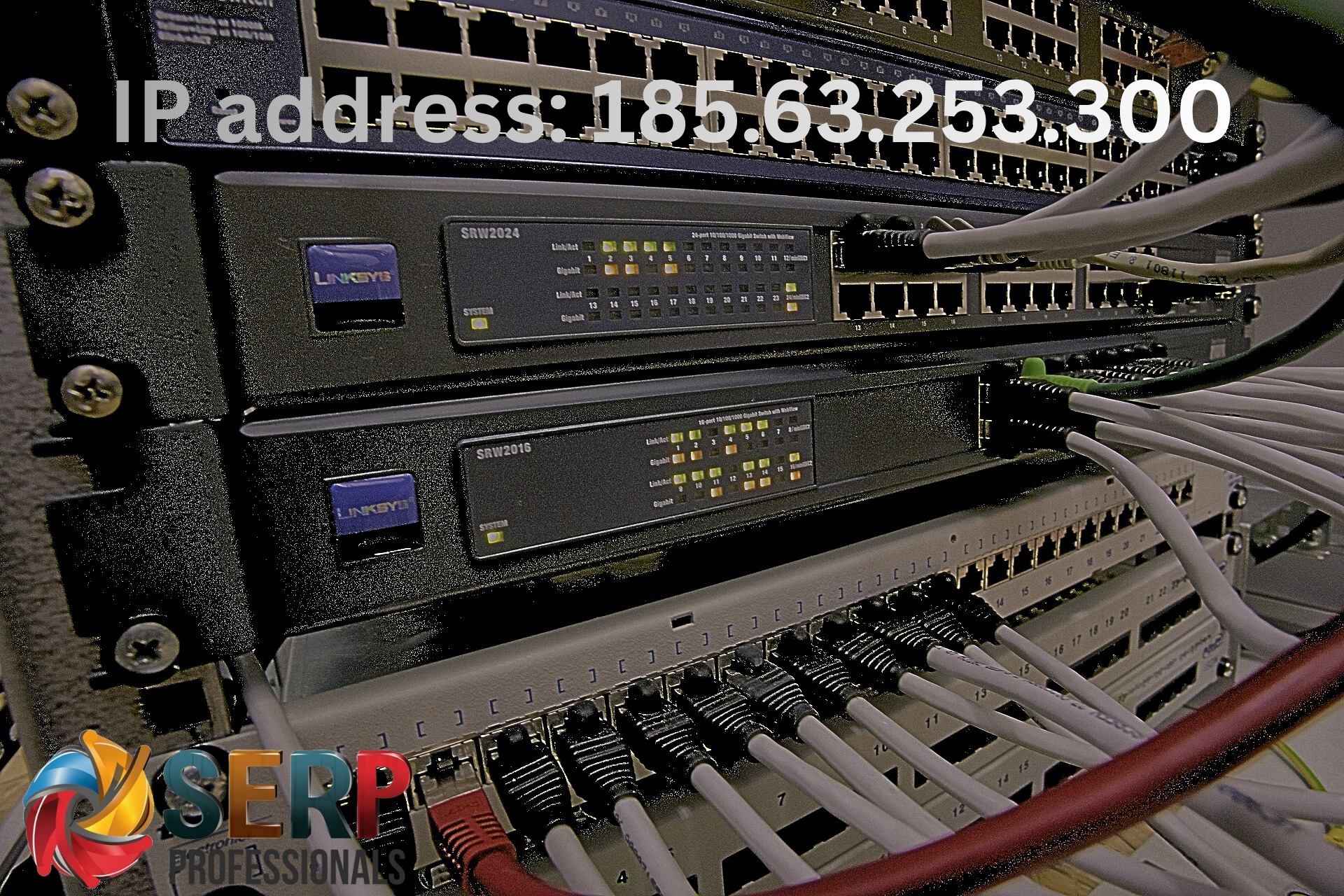
In the computerised world, numbers frequently carry more meaning than they show up to begin with. One such case is 185.63.253.300. At a glance, it looks like a standard IP address, but a closer look uncovers a critical lesson: approximately how IP addresses work, how they are organised, and why understanding them for online security and computerised assurance.
This article breaks down IP address nuts and bolts utilising 185.63.253.300 as a reference point, clarifies why not all IP-like numbers are substantial, and offers viable tips to secure your advanced presence.
What Is an IP Address?
An IP address (Internet Protocol address) is a special identifier allocated to a device associated with an arrangement. Much like a domestic address permits mail to reach the redress destination, an IP address empowers information to travel precisely over the web.
Every time you:
- Visit a website
- Send an email
- Stream a video
- Use a mobile app
Your gadget depends on an IP address to communicate with servers and other gadgets.
Understanding IPv4 Structure
The most commonly utilised IP organize is IPv4, which comprises four numbers separated by dots:
X.X.X.X
Each portion is called an octet, and each octet must fall inside the range 0 to 255. This extension has existed since each octet is put away as an 8-bit number in a double frame.
Example of a valid IPv4 address:
185.63.253.100
Each part here fits within the allowed range.
Is 185.63.253.300 a Valid IP Address?
No — 185.63.253.300 is not a valid IPv4 address.
Why?
The last octet is 300, which outperforms the most noteworthy allowed regard of 255. Since of this, 185.63.253.300 cannot exist as an honest to goodness, routable IP address on the web.
This makes it a malformed or invalid IP, often seen in:
- Typographical errors
- Placeholder examples
- Misconfigured systems
- Fake logs or spoofed data
Understanding this qualification is significant when analyzing organize activity, security alarms, or suspicious online action.
Why Invalid IP Addresses Still Matter
Indeed in spite of the fact that 185.63.253.300 isn’t genuine, experiencing such an address can still be significant.
Common situations where invalid IPs appear:
- Security logs showing malformed connection attempts
- Spam or phishing emails using fake IP headers
- Bot or script attacks testing system weaknesses
- Poorly written software generating incorrect data
Recognizing invalid IPs makes a difference if you maintain a strategic distance from perplexity, untrue cautions, and potential control.
Public vs Private IP Addresses
To get it IP addresses superior, it makes a difference to know the distinction between open and private IPs.
Public IP Addresses
- Assigned by Internet Service Providers (ISPs)
- Visible on the open internet
- Used to identify your network externally
Private IP Addresses
- Used within local networks (home, office)
- Not accessible from the internet
- Common ranges include:
- 192.168.x.x
- 10.x.x.x
- 172.16.x.x – 172.31.x.x
An address like 185.63.253.300, if it were substantial, would drop into the open IP category — which is why individuals frequently relate similar-looking numbers with following or observation.
Can Someone Track You Using an IP Address?
An IP address can reveal limited information, such as:
- Country
- Region or city (approximate)
- Internet Service Provider
However, it cannot directly expose:
- Your exact home address
- Your name
- Your personal files
That said, IP addresses are still important for promoters, analytics stages, and noxious on-screen characters — which is why computerized security things.
Common Myths About IP Addresses
Myth 1: An IP Address Can Hack You Instantly
False. An IP alone is not sufficient to hack a gadget. Assaults more often than not require vulnerabilities, malware, or client interaction.
Myth 2: Invalid IPs Are Always Dangerous
Not essentially. Numerous invalid IPs are safe blunders, in spite of the fact that rehashed appearances in logs may flag misconfigured or malevolent movement.
Myth 3: Hiding Your IP Makes You Invisible
Whereas apparatuses like VPNs move forward security, total namelessness requires broader computerized cleanliness hones.
Digital Protection Tips Everyone Should Follow
Whether you’re managing genuine IP addresses or suspicious ones like 185.63.253.300, these steps offer assistance to secure your online vicinity.
1. Use a Reliable VPN
A Virtual Private Arrange covers your genuine IP address, scrambles activity, and includes a solid protection layer — particularly on open Wi-Fi.
2. Keep Software Updated
Security overhauls regularly fix vulnerabilities that aggressors misuse utilizing IP-based checking.
3. Enable a Firewall
Firewalls piece unauthorized get to endeavors and avoid suspicious activity from coming to your gadget.
4. Be Cautious With Logs and Emails
If you see interesting IP addresses in emails, mistake messages, or notices:
- Don’t click links blindly
- Verify sources
- Check formatting for inconsistencies
Invalid IPs like 185.63.253.300 can be a red flag for scams.
5. Secure Your Router
- Change default login credentials
- Update router firmware
- Disable unnecessary remote access
Your switch is the portal between your private arrangement and the open web.
IP Addresses and Cybersecurity Awareness
Understanding IP addresses isn’t fair for IT experts. Essential mindfulness makes a difference:
- Bloggers interpret traffic data correctly
- Business owners review security logs
- Everyday users avoid panic over misleading warnings
Seeing 185.63.253.300 and knowing it’s invalid engages you to think basically instep of responding sincerely.
The Bigger Picture: Digital Literacy Matters
The web is built on specialized establishments that most clients never see. IP addresses are one of those hidden layers. When individuals don’t get it them, fear and deception can spread effectively.
By learning:
- What IP addresses are
- How they are structured
- What makes one valid or invalid
you gain confidence and control over your digital life.
Final Thoughts
185.63.253.300 may seem like a safe string of numbers, but it serves as an idealised illustration of why understanding IP address nuts and bolts is so critical. Whereas it is not a substantial IP address, experiencing comparable numbers online can raise questions approximately security, privacy, and information judgment.
Knowing how IP addresses work helps you:
- Identify errors and scams
- Interpret technical information accurately
- Protect yourself with smarter digital habits
In an age where online safety is essential, even a single number — valid or not — can teach a valuable lesson about staying informed and secure in the digital world.