Instruction has continuously been the establishment of human advancement Nova Scola. From conventional classrooms to computerised stages, the way we learn has persistently advanced to meet the needs of society. Nowadays, as innovation reshapes every aspect of our lives, education is experiencing one of its most noteworthy changes, however. At the heart of this change stands Nova Scola—a forward-thinking concept centred on building more intelligent, more versatile learning frameworks for tomorrow.
The Need for Smarter Learning Systems
The conventional instruction model, frequently depicted as “one-size-fits-all,” struggles to keep pace with the different needs of advanced learners. Understudies contrast in learning styles, speeds, interface, and objectives. While a few prosper in lecture-based circumstances, others learn best through hands-on experiences, visual disobedience, or self-paced examination. The gap between how students learn and how they are being educated has remained consistently clear.
Smarter learning systems point to bridging this gap. By leveraging development, data, and creative instructional approaches, these systems can personalise learning experiences, move forward engagement, and get prepared understudies for a rapidly changing world. Nova Scola speaks to this unused vision—a biological system where instruction is brilliantly comprehensive and future-ready.
What Is Nova Scola?
Nova Scola, meaning “new school,” symbolises a cutting-edge approach to instruction that mixes human-centred education with progressive innovation. Or maybe rather than supplanting instructors, Nova Scola upgrades their effect by giving tools that support superior decision-making, personalised instruction, and important assessment.
At its centre, Nova Scola centres on:
- Personalised learning pathways
- Technology-driven insights
- Skill-based education
- Lifelong learning readiness
This approach recognises that instruction is not fair around securing data but approximately creating basic consideration, imagination, flexibility, and enthusiastic insights.
Personalisation at the Core
One of the most capable perspectives of Nova Scola is personalisation. More brilliant learning frameworks utilise information analytics and fake insights to understand how students learn. These frameworks can track advances, distinguish qualities and shortcomings, and adjust content accordingly.
For illustration, if an understudy battles with a specific concept, the framework can offer extra assets, elective clarifications, or hone works out. If another understudy progresses rapidly, they can be challenged with more complex fabric. This versatile demonstration guarantees that no learner is left behind or held back.
Personalised learning, moreover, enables students to take possession of their instruction. By giving learners clear experiences of their advancement and objectives, Nova Scola empowers self-directed learning and inherent inspiration.
Empowering Educators, Not Replacing Them
A common fear enveloping educator advancement is that it may supplant teachers. Nova Scola takes the inverse approach. It sees teachers as tutors, facilitators, and guides—roles that innovation cannot replicate.
Smarter learning frameworks decrease regulatory burdens by mechanizing errands such as reviewing, participation following, and execution investigation. This grants education to centre on what truly matters: building associations, awakening interest, and giving individualised support.
With real-time data, instructors can make informed choices about techniques, recognise at-risk students early, and tailor their instruction to meet classroom needs more effectively.
Integrating Real-World Skills
The future workforce requests more than scholarly information. Aptitudes like problem-solving, collaboration, computerised education, and versatility are fundamental in today’s worldwide economy. Nova Scola is coordinating these competencies into the learning experience.
Project-based learning, interest modules, and real-world problem-solving scenarios help students apply data in practical settings. More sharp learning systems can imitate real-life challenges, energise collaboration, and develop innovation—preparing students not just for exams, but for life.
Technology as a Learning Enabler
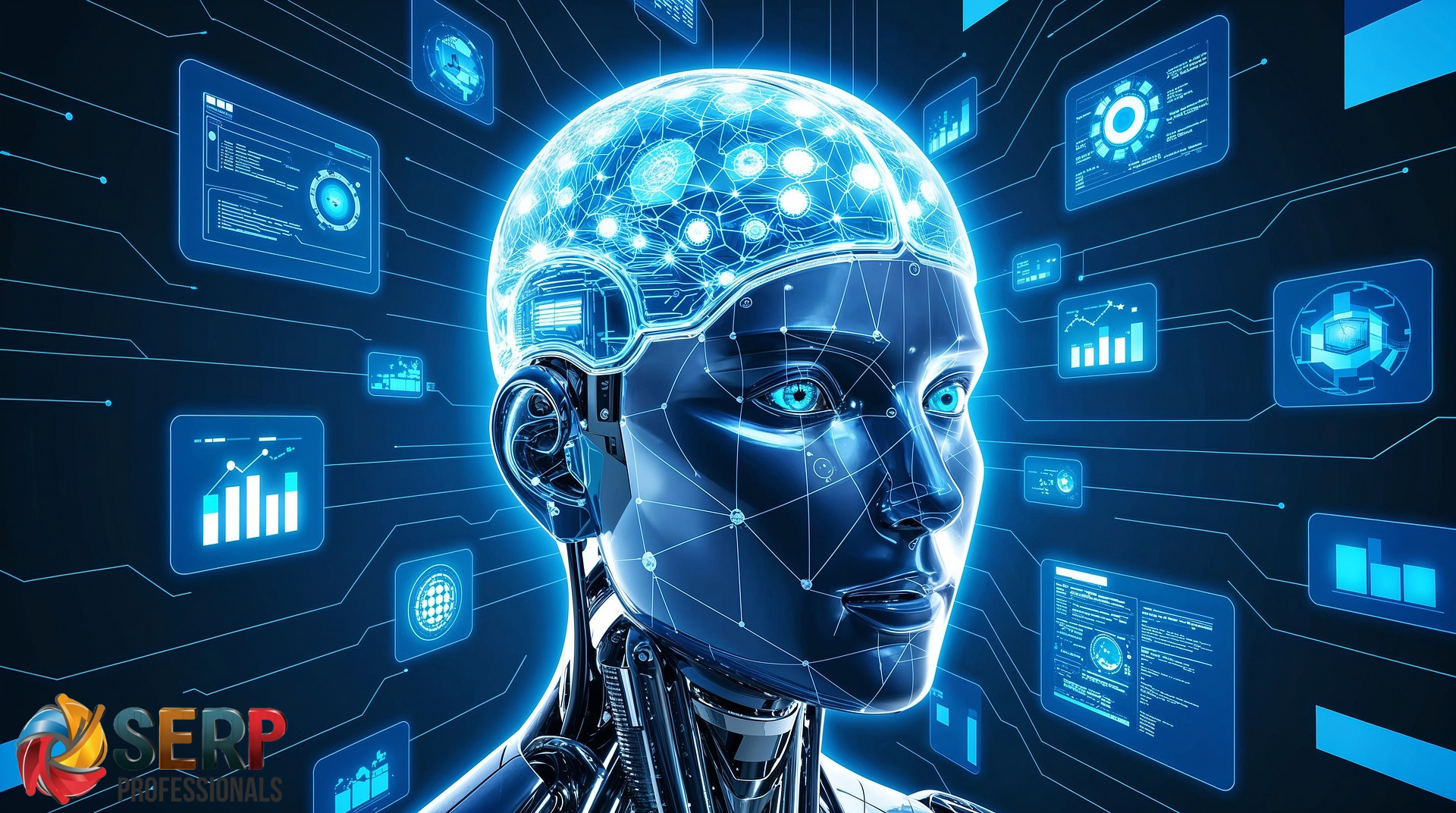
Innovation is the spine of Nova Scola, but it is utilised with reason. Apparatuses such as fake insights, virtual reality, learning administration frameworks, and information analytics are coordinated to enhance—not divert from—the learning process.
Virtual classrooms break topographical obstructions, empowering students to get quality instruction anywhere in the world. Intelligently reenactments make complex concepts less demanding to understand. AI-driven input gives moment experiences that offer assistance to learners make strides continuously.
Critically, Nova Scola emphasises ethical and careful utilisation of advancement, ensuring data security, inclusivity, and accessibility for all learners.
Building a Culture of Lifelong Learning
In a world where businesses advance quickly, learning cannot halt at graduation. Nova Scola advances long-lasting learning by making frameworks that are adaptable, secluded, and ceaselessly evolving.
Smarter learning stages can support reskilling and upskilling, permitting people to learn modern competencies at any stage of life. Whether it’s an understudy, proficient, or teacher, Nova Scola bolsters continuous development and adaptability.
This attitude is fundamental for exploring the vulnerabilities of the future and remaining pertinent in an ever-changing work environment.
Looking Ahead: The Future of Education
Nova Scola speaks to more than a mechanical upgrade—it is a social move in how we see instruction. By centring on insights, personalisation, and human potential, it lays the foundation for learning frameworks that are evenhanded, locked in, and effective.
As instructive education, governments, and organisations grasp more brilliant learning frameworks, the vision of Nova Scola becomes progressively achievable. The objective is clear: to make learning situations that enable people, fortify social orders, and shape a better tomorrow.
Conclusion
Nova Scola: Building More Intelligent Learning Frameworks for Tomorrow is a call to reconsider instruction for the cutting-edge age. By combining creative development with adroit direction strategies, Nova Scola offers a chart for an instruction system that is flexible, comprehensive, and future-focused.
In getting a handle on this vision, we move closer to a world where learning is not limited by boundaries, where each individual can reach their full potential, and where instruction truly prepares us for the challenges and opportunities of tomorrow.