
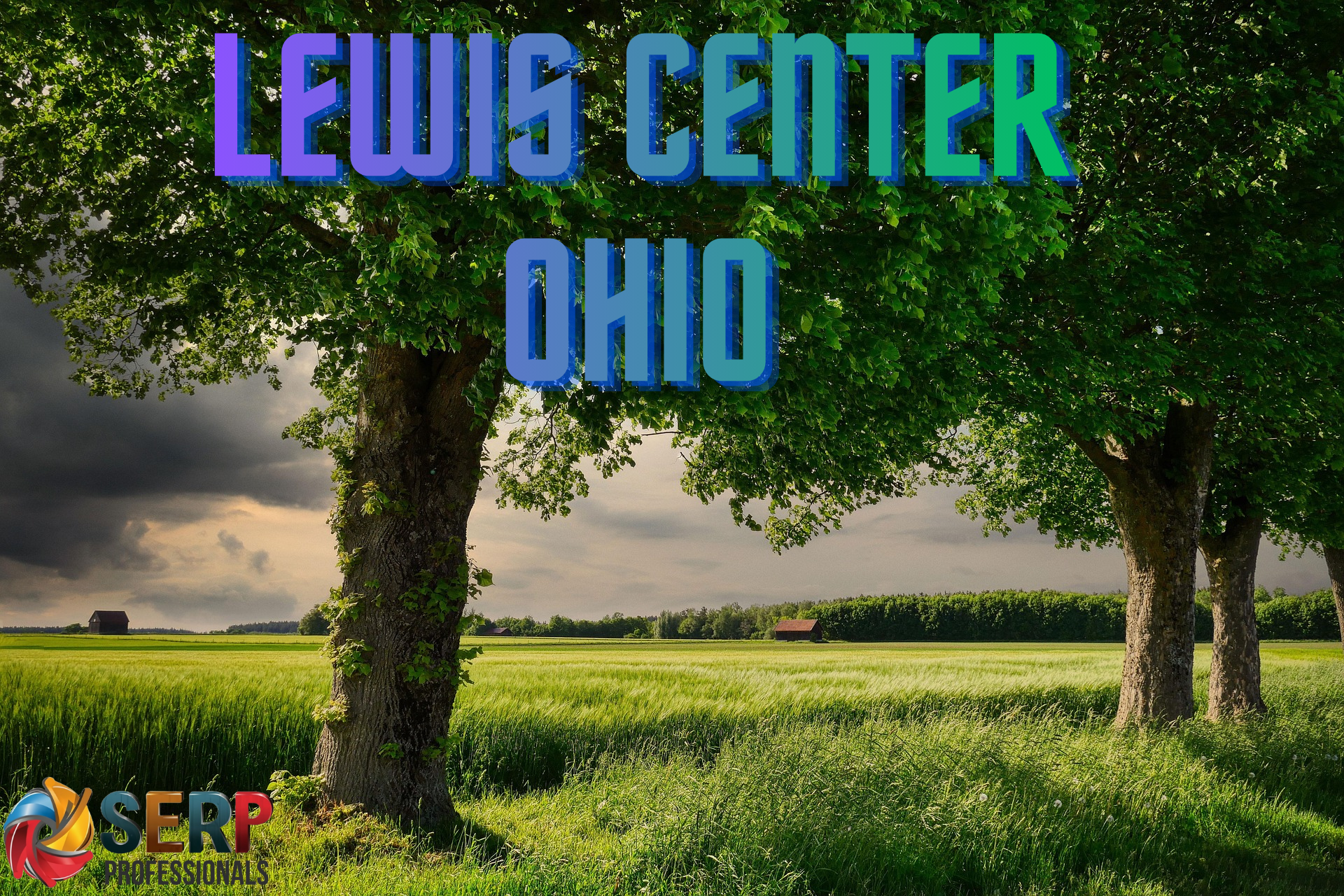
Nature Lewis Center Ohio champion trees has a unique way of preserving history, and few things speak to that more than winner trees. In Lewis Centre, Ohio, these exceptional trees stand as living points of interest, connecting the display community to centuries of common development and environmental adjustment. The Lewis Center Ohio champion trees are not fair huge or ancient trees; they are images of versatility, natural significance, and neighbourhood pride.
This web journal investigates the history, distribution, and significance of champion trees found in and around Lewis Centre, Ohio, and explains why protecting them is important for future generations.
What Are Champion Trees?
Winner trees are formally recognised as the biggest known trees of their species within a particular locale, such as a state or district. These trees are classified based on a focus framework that measures trunk circumference, stature, and normal crown spread.
In Ohio, the Ohio Division of Characteristic Assets (ODNR) keeps a registry of notable trees. A few of the Lewis Center Ohio champion trees have either held records or competed closely with statewide champions, making the region outstanding for tree devotees and naturalists alike.
History of Champion Trees in Lewis Center, Ohio
Lewis Center, found in Delaware Province, has a wealthy common history formed by rich soil, a favourable climate, and early preservation endeavours. Recently, the area underwent long-term, cutting-edge development; dense forests of oak, sycamore, beech, maple, and walnut protected it.
As the community developed, numerous old-growth trees were removed for agribusiness and urban extension. In any case, a few remarkable examples survived due to their location, size, or community endeavours to protect them. Over time, these survivors got to be recognised as winners or legacy trees.
The Lewis Center Ohio champion trees reflect a timeline that extends back hundreds of years. A few may have been saplings some time recently. Ohio became a state in 1803, experiencing subsequent eras of human and natural alteration.
Impressive Size and Physical Characteristics
One of the most intriguing viewpoints of winner trees is their uncommon measure. These trees frequently show up as nearly stunning when compared to ordinary trees of the same species.
Common Highlights of Winner Trees
● Massive trunk circumference, sometimes surpassing 20 feet
● Towering tallness that overwhelms the encompassing landscape
● Wide canopy spread giving shade over expansive areas
● Deep, solid root frameworks that stabilise soil and oversee water flow
In Lewis Center, species such as white oak, sycamore, and tulip poplar are known for creating enormous champion-level examples. The measure of these trees is a result of perfect developing conditions, negligible unsettling influence, and decades—sometimes centuries—of continuous growth.
The sheer scale of Lewis Center Ohio champion trees makes them normal points of interest and prevalent subjects for photography, instruction, and natural research.
Ecological Significance
Winner trees play a crucial role in maintaining healthy ecosystems. Given their estimated age, they have more life expectancy than younger trees.
Environmental Benefits
● Provide settling environments for fowls, owls, and squirrels
● Support creepy crawlies and pollinators fundamental to the food chain
● Improve discussion quality by retaining carbon dioxide
● Reduce soil disintegration and oversee stormwater runoff
● Regulate temperature through shade and transpiration
In rural regions like Lewis Center, winner trees are particularly important. As human activity increases, these large trees help mitigate the impacts of human activity on nature. The Lewis Center Ohio champion trees act as environmental stays, supporting biodiversity in an ever-changing environment.
Cultural and Community Importance
Beyond their natural beauty, winning trees hold profound social and educational significance. Many residents feel a strong emotional connection to these trees, particularly those located near schools, parks, or notable properties.
Why Communities Esteem Winner Trees
● Serve as open-air classrooms for students
● Strengthen community personality and neighbourhood heritage
● Encourage preservation awareness
● Increase property and neighbourhood value
● Offer tranquil common spaces for reflection
In Lewis Center, winning trees regularly ended up gathering points—places where individuals walk, unwind, or essentially respect nature’s scale and excellence. They remind inhabitants that development doesn’t always require haste to be important.
Conservation Challenges
Despite their quality, winner trees are not invulnerable. Age, illness, climate alteration, and human movement posture are genuine threats.
Common Risks
● Soil compaction from construction
● Root harm from adjacent development
● Invasive bugs and contagious diseases
● Severe storms and changing climate patterns
● Lack of long-term care planning
Protecting Lewis Center Ohio champion trees requires participation between the nearby government, property owners, and natural organisations. Tree appraisals, defensive zoning, and open instruction all play a part in ensuring these trees continue to flourish.
How Champion Trees Are Protected
Ohio has programs aimed at distinguishing and protecting huge trees, including state and nearby winner tree registries. Whereas not all winning trees are legitimately secured, acknowledgement frequently leads to expanded care and monitoring.
Local activities in and around Lewis Centre on:
● Tree studies and documentation
● Public mindfulness campaigns
● Sustainable advancement planning
● Encouraging local tree planting
● Partnering with arborists for master care
By valuing existing winner trees, the community sets an example for sustainable development and environmental stewardship.
Why Champion Trees Matter for the Future
The significance of winning trees goes beyond today. These trees are living speculations in the future, advertising lessons in tolerance, flexibility, and sustainability.
The Lewis Center Ohio champion trees remind us that advancement and conservation can coexist. As climate concerns intensify, tree planting is among the most effective natural solutions for reducing carbon emissions and maintaining environmental balance.
Conclusion
Winner trees are more than record-holders—they are storytellers established in the soil of Lewis Centre, Ohio. Their history reflects the land’s past, their estimate motivates wonder, and their importance extends into the natural, social, and instructional realms.
By recognising and ensuring the Lewis Centre, Ohio, champion trees, the community respects its distinctive legacy while guaranteeing that future generations can stand beneath these giants and feel the same sense of awe. Protecting them is not fair, approximately sparing trees—it’s almost shielding living history.