
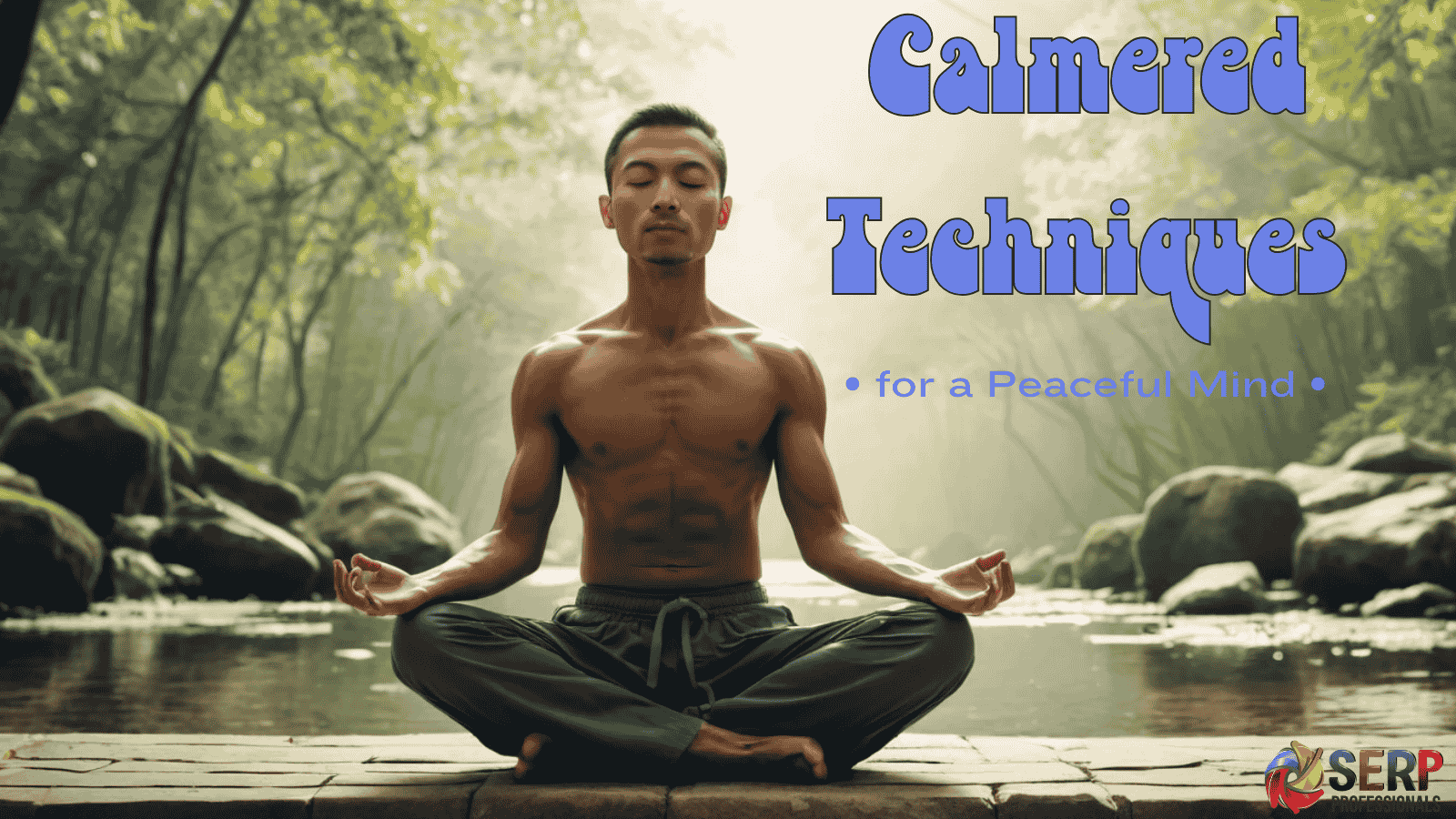
Discover Calmered, a guide to achieving mental calm, emotional balance, and focus. Learn its benefits and practical techniques for a peaceful, stress-free mind.
In today’s fast-paced world, keeping up mental clarity and passionate adjustment can be challenging. Steady stretch, computerised diversions, and the demands of advanced life frequently leave people feeling on edge, overpowered, or rationally depleted. This is where the concept of Calmered comes into play. Calmered speaks to a commonsense approach to accomplishing a calm, centred, and adjusted intellect. It underlines procedures, lifestyle habits, and attitude alterations that help people diminish stress, improve concentration, and develop enthusiastic resilience.
Understanding Calmered is not fair, almost unwinding; it’s about cultivating feasible mental wellness and clarity in ordinary life. This article investigates the meaning of Calmered, its benefits, down-to-earth strategies to accomplish it, and how it can be connected in present-day life for enduring peace of mind.
What Does Calmered Mean?
The term Calmered alludes to the state of being calm, centred, and rationally at peace. Not at all like transitory unwinding strategies that offer transitory help, Calmered speaks to a more profound, deliberateness approach to passionate and cognitive balance. It involves:
- Reducing mental clutter and unnecessary stress
- Cultivating awareness and mindfulness
- Practising techniques that promote relaxation and focus
- Developing resilience against emotional and environmental stressors
Essentially, Calmered is around making a mentality where the person can explore life’s challenges without being overpowered or reactive. It combines mental, passionate, and behavioural hone to keep up inward peace consistently.
Benefits of Calmered
Embracing Calmered has numerous benefits, both mentally and physically. A few of the most noteworthy points of interest include:
1. Stress Reduction
One of the essential benefits of Calmered is lessening push levels. High blood pressure is related to a wide range of health issues, including fatigue and weakened immunity. By developing a calmer intellect, people can lower cortisol levels and encounter a more balanced emotional state.
2. Improved Mental Clarity
A calmer intellect is more centred and less diverted by negative considerations. This mental clarity permits way better decision-making, problem-solving, and creativity.
3. Emotional Stability
Regular use of Calmered strategies makes a difference; people oversee their feelings more effectively. It empowers a measured reaction to challenging circumstances rather than incautious reactions.
4. Enhanced Physical Health
Mental Calmered has a coordinate effect on physical well-being. Ponders appear that hone-related activities with calmness can improve heart health, reduce inflammation, and indeed improve sleep quality.
5. Increased Productivity
By minimising mental commotion and diversions, Calmered can lead to higher efficiency and productivity. A centred intellect can complete tasks more quickly and with higher quality outcomes.
6. Better Relationships
When an individual is sincerely adjusted and calm, interpersonal intelligence progresses. Calmered empowers persistence, dynamic tuning in, and compassionate reactions, leading to more advantageous individual and professional relationships.
Techniques to Achieve Calmered
Achieving a calmer state requires honed and purposeful exertion. Here are a few viable strategies to develop mental calmness:
1. Mindfulness Meditation
Mindfulness contemplation is an effective device to accomplish Calmness. It includes paying consideration to the show minute without judgment. Standard reflection can diminish uneasiness, move forward passionate control, and increase mindfulness of thought patterns.
How to practice:
- Find a quiet space
- Sit comfortably and focus on your breath.
- Observe your thoughts without reacting to them.
- Start with 5–10 minutes daily and gradually increase the duration.
2. Deep Breathing Exercises
Breathing methods are a straightforward yet exceedingly compelling way to calm the apprehensive system. Profound, moderate breaths flag the body to unwind and decrease cortisol hormone levels.
Example technique:
- Inhale deeply for a count of four
- Hold your breath for a count of four.
- Exhale slowly for a count of six
- Repeat for several cycles.
3. Physical Activity
Exercise is closely connected to mental well-being. Customary physical movement discharges endorphins, decreases stress, and improves mood.
Recommended activities:
- Yoga or stretching exercises
- Walking or jogging
- Swimming or cycling
- Mind-body exercises like tai chi
4. Digital Detox
Reducing screen time and constraining presentation to advanced diversions can altogether improve Calmered. Consistent notices, social media overhauls, and news cautions frequently contribute to mental clutter.
Tips:
- Set specific times to check emails and social media
- Use apps to monitor screen time.
- Take breaks from devices during meals or before bedtime.
5. Journaling and Reflection
Writing down contemplations and feelings is a viable way to discharge mental pressure. Journaling makes a difference by clarifying considerations, tracking passionate designs, and strengthening positive thinking.
How to start:
- Dedicate 10–15 minutes daily for free-writing
- Focus on your feelings, goals, or daily reflections
- Review entries periodically to identify patterns
6. Practising Gratitude
Gratitude hone is connected to made strides mental well-being and calmness. By centring on positive viewpoints of life, people can move their attitude from push to contentment.
Simple practice:
- List three things you are grateful for each day
- Reflect on positive experiences and achievements
.
7. Creating a Calm Environment
The physical environment impacts mental state. A clean, organised, and relieving space can advance Calmered.
Suggestions:
- Declutter your workspace and living area
- Incorporate natural light and greenery.
- Play soft music or ambient sounds.
Incorporating Calmness Into Daily Life
Achieving a calmer state is not fair approximately practising methods occasionally—it’s about integrating calmness into day-to-day schedules. A few commonsense procedures include:
- Starting the day with mindfulness or meditation
- Taking short breathing breaks during work
- Avoiding multitasking to reduce cognitive overload
- Scheduling regular physical activity
- Setting aside time for reflection or journaling
- Using calming routines before bedtime
Over time, these habits have become propensities that actually advance a quiet mind.
Calmer and Mental Health
The standards of Calmered adjust closely with present-day approaches to mental well-being and wellness. Cognitive behavioural treatment (CBT), push administration procedures, and mindfulness-based treatments all emphasise the significance of overseeing thoughts, feelings, and reactions.
By developing Calmered, people may anticipate burnout, overcome uneasiness, and improve overall life satisfaction. It is not a substitute for proficient mental health care, but it serves as a complementary approach to maintainingg mental balance.
Challenges in Maintaining Calm
While the benefits of Calmered are clear, keeping up a calm and centredintellect can be challenging due to:
- High-stress environments at work or home
- Constant digital distractions
- Personal or professional pressures
- Unpredictable life events
Consistency, tolerance, and progressive integration of methods are key to overcoming these challenges.
The Future of Calm in Modern Life
As mindfulness of mental well-being develops, the concept of Calmered is becoming progressively pertinent. Companies, instructive teachers, and people are receiving mindfulness programs, push decrease activities, and wellness schedules that align withh the standards of Calmered.
With innovative headways such as contemplation apps, wearable push screens, and computerised wellness stages, accomplishing Calmered has become more accessible than ever.
Conclusion
Calmer speaks to more than fair brief relaxation—it is an all-encompassing approach to accomplishing mental clarity, enthusiastic adjustment, and supported well-being. By understanding its meaning, grasping its benefits, and honing viable methods, people can develop a calmer, more centred, and flexible mind.
From mindfulness and profound breathing to appreciation and journaling, there are viable techniques to incorporate Calmered into everydaylife. As present-day life proceeds to show challenges and stressors, grasping Calmered can serve as a foundation for enduring mental wellness, efficiency, and enthusiastic stability.
Whether for individual development, mental well-being, or proficient execution, Calmered gives the tools and mentality required to explore life with peace, centre, and resilience.