
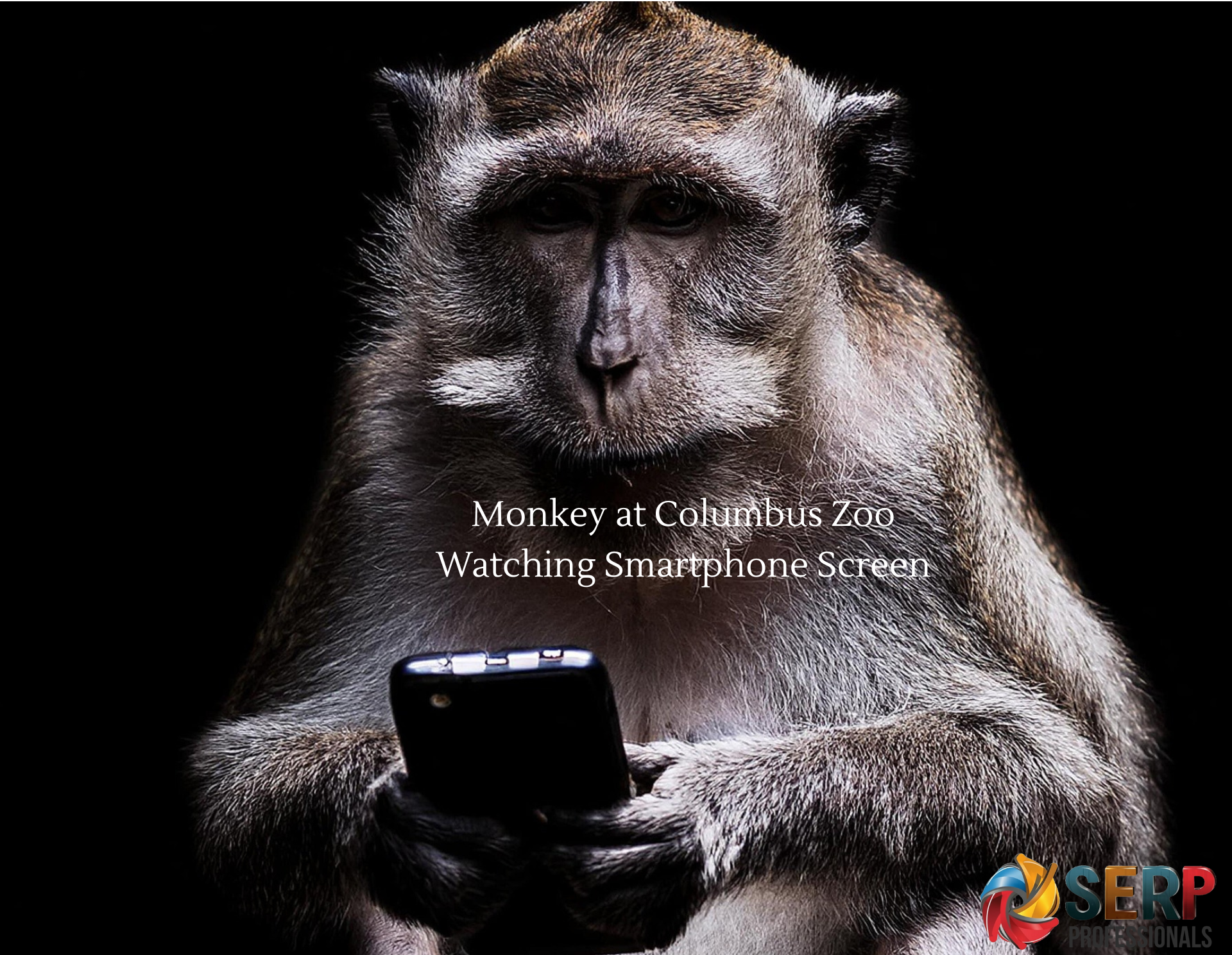
A monkey at Columbus Zoo shows surprising interest in a smartphone, sparking viral reactions and discussions about primate intelligence and technology.
A later minute Monkey at Columbus Zoo and Aquarium captured broad open attention when a monkey caught the visitor’s smartphone. What started as a casual zoo visit rapidly changed into a viral sensation, as film of the primate considering a shining screen spread over social media platforms. The brief clip started with interest, humor, and mindful talks about viral animal news, enhancement, and the developing presence of Technology in ordinary life—even inside Wildlife environments.
The occurrence raises compelling questions: Why would a monkey appear so intrigued by a solid object in an advanced gadget? What does this uncover about primate cognition? And how does Modern Technology cross with Wildlife encounters in overseen settings like zoos?
The Viral Encounter
In the broadly shared Columbus Zoo viral video, the monkey approaches the glass-walled area where a guest holds up a smartphone. Or maybe then, overlooking the gadget, the Animal inclines forward, apparently focused on the shining, moving pictures shown on the screen. Its centered look and think developments donate the impression of serious curiosity.
Within hours, the clip circulated online, drawing millions of views. Watchers were delighted by the thought that a monkey might be as captivated by a smartphone as numerous people are. Comments extended from lively jokes around “checking notifications” to genuine reflections on the similarities between human and primate behavior.
While viral Wildlife minutes are not unprecedented, this one stood out due to its Modern setting. The picture of a monkey watching progress. Technology made it possible to differentiate between nature and Technology.
Primate Intelligence and Curiosity
Monkeys are broadly recognized for their primate intelligence. As individuals of the primate family, they share cognitive characteristics with people, including solid memory, vvisual-handlingaptitudes, and social mindfulness. Their brains are especially well-developed for deciphering development, color, and facial expressions.
Smartphone screens are planned to capture attention. They show distinctive colors, fast movement, and intelligible visuals—stimuli that actually draw the eye. For a monkey, these components may show up novel and captivating, provoking investigation.
In logical inquiry about settings, primates have illustrated the capacity to connect with touchscreen gadgets. A few have learned to total problem-solving assignments on computerized screens in trade for nourishment rewards. These discoveries recommend that the monkey’s interest in a smartphone at the zoo is not totally surprising from a cognitive perspective.
Curiosity plays a significant part in primate survival. In the wild, investigating unused objects or situations can lead to finding nourishment sources or dodging dangers. In a zoo setting, that same intuition may express itself through consideration of new objects—like an advanced smartphone.
Modern Technology Meets Wildlife
The viral minute highlights a broader drift: the expanding divide between Technology and Wildlife situations. Guests regularly bring smartphones into zoos to take photographs and record videos. As a result, Animals are exposed to shining screens, camera flashes, and intelligent surfaces.
While smartphones are fundamentally instruments for human use, their visual appeal can pull in animals’ attention. The glass obstruction isolating guests and Animals makes a secure environment for such experiences, but it also permits close-up monkey smartphone interaction.
This crossing point of Wildlife and Technology reflects a changing world. As advanced gadgets have become more integrated into day-to-day life, they definitely show up in spaces customarily related to nature.
Enrichment and Animal Welfare in Zoos
Modern zoos prioritize Animal welfare and improvement. Improvement alludes to exercises and natural improvements that invigorate Animals rationally and physically. These may incorporate confusing feeders, climbing structures, fragrance trails, and intuitive toys.
The objective of enhancement is to energize characteristic zoo animal behavior and prevent boredom. For shrewd species like monkeys, mental incitement is especially important.
Although smartphones are not outlined as enhancement apparatuses, monkeys intrigued by an advanced screen illustrate the species’ capacity for engagement. A few zoological educators have tested with technology-based improvement, including touchscreens that reward animals for completing straightforward tasks. These programs are carefully observed to guarantee they support well-being without causing stress.
The viral occurrence may motivate and encourage dialogues on how technology seems to be utilized capably in Animal care, while continuously prioritizing welfare and common behaviors.
Public Reaction and Online Impact
The web reaction to the monkey smartphone interaction with present-day technology was quick and excited. Numerous watchers found the minute relatable, noticing how effortlessly people themselves ended up retained in screens. The comparison between human and Animal screen interest included an amusing layer to the story.
At the same time, the video started with a mindful commentary. A few addressed whether a visit to an introduction to computerized gadgets is useful for Animals. Others emphasized that the brief, inactive interaction that appeared in the clip was safe and driven by characteristic curiosity.
Social media’s capacity to increase such minutes underscores the control of computerized platforms. A brief video captured by one guest can reach a worldwide group of onlookers within hours. This quick spread not only engages but also increments the mindfulness of wildlife teaching and preservation efforts.
Educational Opportunities
Viral minutes like this offer profitable, instructive potential. When open consideration is centered on a zoo animal’s behavior, teachers have an opportunity to share data around the species’ common living space, behavior, and preservation status.
By clarifying why monkeys are drawn to development and color, specialists can develop an open understanding of primate cognition. This information can cultivate a more prominent appreciation for Wildlife and empower support for preservation initiatives.
The occurrence, moreover, opens a discourse about dependable zoo animal behavior. Guests ought to continuously regard rules, avoid aggravating animals, and abstain from activities that might cause strain. Calm, inactive observation—like holding up a phone without tapping or shouting—is, for the most part, less troublesome than endeavors to incite reactions.
The Broader Cultural Reflection
The picture of a monkey captivated by a smartphone serves as a typical reflection of Modern society. Technology rules human schedules, from communication and amusement to work and instruction. Seeing an Animal react essentially to shining advanced boosts highlights shared neurological reactions to visual engagement.
However, it is vital to dodge anthropomorphism—assigning human inspirations to zoo animal behavior. The monkey was likely reacting to development and brightness, or maybe deliberately locked in with the concept of Technology. Recognizing this refinement guarantees a precise understanding of Animal cognition.
Still, the minute welcomes delicate contemplation regarding our own screen propensities. If a gleaming show can so effortlessly capture consideration over species, it underscores the effective plan of Modern devices.
Ethical Considerations
While the viral clip showed up safe, Wildlife specialists emphasize the significance of boundaries. Intemperate incitement, boisterous clamors, or diligent endeavors to pick up an animal’s attention can be unpleasant. Zoos execute approaches to ensure Animals from troublesome interactions.
In this case, the monkey’s calm pose and maintained intrigued pose propose an intentional engagementrathere than trouble. In any case, the occurrence serves as an update that Animals in supervised situations merit regard and consideration.
Balancing open engagement with Animal welfare remains a central mission of trustworthy zoos. Viral notoriety ought never to eclipse the essential objective of preservation and care.
The Future of Wildlife and Technology
As Technology proceeds to advance, its presence in Wildlife settings will likely increase. From advanced instructional shows to advanced observation frameworks, development can upgrade preservation efforts.
Some analysts investigate the utilization of intelligent screens for improvement, cognitive tasks, and training exercises. When actualized keenly, such instruments may give mental challenges that reflect normal problem-solving activities.
However, Technology ought to complement—not replace—naturalistic living spaces and conventional enhancement strategies. The well-being of Animals must stay the best priority.
Conclusion
The story of a monkey at the Columbus Zoo, appearing shocked and intrigued by advanced technology, captivated gatherings of people around the world. What started as a brief monkey smartphone interaction between an inquisitive primate and a smartphone advanced into a viral marvel that mixed humor, science, and reflection.
The occurrence highlights the primate intelligence and flexibility of monkeys, as well as the inescapable reach of advanced gadgets in modern life. It illustrates how indeed a little minute can start a far-reaching discussion, and almost Animal cognition, enhancement hones, and dependable engagement.
Ultimately, the viral clip serves as an update of the shared interest that joins people and Animals. Whereas the monkey may not have caught on to the concept of a smartphone, its mindful look reflected an all-inclusive trait—the craving to investigate the unknown.
In a world progressively characterized by Technology, such experiences energize us to appreciate both development and the characteristic Intelligence of Wildlife. By adjusting interest with regard, zoos and guests alike can guarantee that minutes of interest stay positive, informative, and improving for all.