
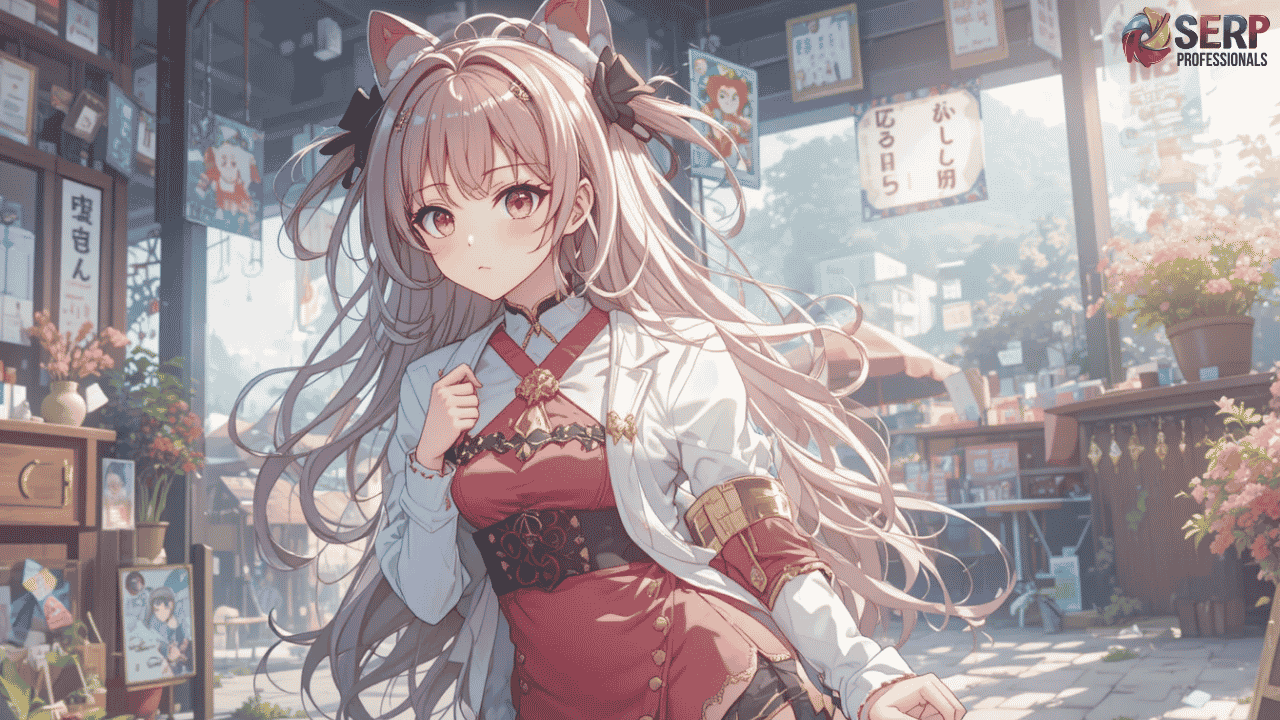
Discover the meaning of Dojen Moe and how the fusion of doujin culture and moe aesthetics became a growing online trend in anime communities worldwide.
The web has changed anime culture in ways no one seemed to have anticipated two decades ago. From fan-created manga and advanced outlines to viral anime memes and online craftsmanship communities, advanced fandom proceeds to advance quickly. One rising state picking up consideration in anime and online craftsmanship circles is Dojen Moe.
Although the term may sound special to casual web clients, it speaks to a developing combination between doujin culture and moe aesthetics that has become progressively prevalent over online communities. Fans of anime, manga, and advanced outline are grasping this slant through craftsmanship, narrating, fan ventures, and social media content.
But what precisely is Dojen Moe? Why is it getting to be more unmistakable online? And how does it reflect the advancement of anime fandom culture?
In this article, we will investigate the meaning of Dojen Moe, its roots, its association with doujin culture and moe aesthetics, and why this combination has become a major online slant.
What Does Dojen Moe Mean?
The term Dojen Moe combines two vital concepts from Japanese pop culture:
- Doujin (Doujinshi) – openly made or fan-made manga, books, entertainment, or artwork.
- Moe – a Japanese slang term insinuating affection toward charming, delightful, or truly locked-in characters.
Together, Dojen Moe speaks to a fashion or drift where fan-created works intensely emphasize moe-style character plan and enthusiastic requests.
In simple terms, Dojen Moe can describe:
- Cute fan-made anime art
- Emotionally soft character storytelling
- Moe-inspired indie manga
- Fan-created visual novels
- Online anime outlines with cute aesthetics
The slant exists essentially online, where makers share their work through:
- Social media platforms
- Anime forums
- Art-sharing websites
- Digital manga communities
- Fan conventions
The ubiquity of this combination reflects how web culture has changed anime fandom into a profoundly intelligent and creator-driven environment.
Understanding Doujin Culture
To fully understand Dojen Moe, it is important to first understand doujin culture itself.
What Is Doujin?
Doujin alludes to autonomously distributed imaginative works made by fans or little makers. These works can include:
- Manga
- Comics
- Novels
- Animation
- Games
- Music
- Fan fiction
The makers are frequently specialists or indie specialists or maybe even huge, proficient studios.
Doujin culture got to be particularly popular in Japan through occasions like comic conventions, where craftsmen offer self-published works directly to fans.
Unlike standard commercial anime and manga, doujin ventures frequently permit makers more creative flexibility.
- Character designs
- Alternative storylines
- Unique genres
- Fan interpretations
Since the web, doujin culture is no longer constrained to Japan. Craftsmen around the world presently take an interest in online fan communities and distribute advanced manifestations immediately.
What Is Moe Culture?
The second part of Dojen Moe comes from the word “moe.”
The Meaning of Moe
Moe is a term utilized in anime culture to depict sentiments of fondness, enthusiastic connection, or adoration toward fictional characters.
Moe characters are usually:
- Cute
- Innocent
- Emotionally expressive
- Adorable
- Soft-hearted
- Relatable
Moe aesthetics got to be profoundly prevalent in anime during the early 2000s and afterward spread universally through online fandoms.
Common moe design features include:
- Large expressive eyes
- Soft pastel colors
- Emotional vulnerability
- Gentle personalities
- Playful interactions
The purpose of moe is often to create emotional warmth and audience attachment.
Today, moe influences:
- Anime art
- VTuber designs
- Mobile games
- Fan art
- Social media aesthetics
This enthusiastic and visual fashion mixes with doujin inventiveness, driving to the rise of Dojen Moe.
Why Did Dojen Moe Become Popular Online
The rise of Dojen Moe is closely associated with the development of web fandom culture.
Several major variables made a difference as this slant spread quickly online.
1. Social Media Made Indie Anime Art More Visible
Platforms like:
- TikTok
- X (formerly Twitter)
- Pixiv
- Discord
have made it simpler for autonomous craftsmen to share their work globally.
Previously, doujin makers depended generally on traditions or specialty communities. Nowadays, craftsmen can transfer outlines immediately and reach thousands or indeed millions of viewers.
Cute moe-style craftsmanship performs particularly well on social media since it is:
- Visually appealing
- Emotionally engaging
- Easy to share
- Meme-friendly
As a result, creators producing Dojen Moe-style content gained large audiences online.
2. Fans Love Personalized and Emotional Content
Advanced anime fans progressively look for a passionate association with characters.
Mainstream anime often focuses on:
- Action
- Large-scale plots
- Commercial storytelling
Meanwhile, Dojen Moe content often emphasizes:
- Small emotional moments
- Character bonding
- Slice-of-life experiences
- Personal storytelling
Fans enjoy these softer and more relatable themes.
The enthusiastic closeness of moe-style fan works makes a difference when gatherings of people feel more associated with characters compared to conventional media.
This emotional attachment encourages:
- Fan engagement
- Sharing content
- Supporting indie creators
- Participating in fandom discussions
3. Digital Art Tools Lowered the Barrier for Creators
Another reason Dojen Moe exploded online is the accessibility of modern digital art software.
Nowadays, makers can make professional looking anime craftsmanship utilizing:
- Tablets
- Mobile apps
- Drawing software
- AI-assisted tools
- Online publishing platforms
This availability permitted thousands of free specialists to enter the anime craftsmanship scene without requiring a major distributor.
As more makers entered the space, Dojen Moe aesthetics spread quickly over online communities.
Many artists also collaborate through:
- Fan projects
- Discord servers
- Community art challenges
- Shared manga platforms
This collaborative environment made a difference, and the drift developed indeed speedier.
4. The Rise of VTubers and Anime Avatars
The ubiquity of VTubers and anime-style online identities also contributed to the development of Dojen Moe aesthetics.
Many VTuber character designs heavily feature moe elements, such as:
- Cute expressions
- Soft voices
- Emotional interactions
- Adorable outfits
Fans who appreciate VTuber culture regularly cover with doujin and anime craftsmanship communities.
This crossover created a larger audience for Dojen Moe-style content.
Some indie creators even design original moe characters specifically for:
- Streaming
- Online roleplay
- Social media branding
- Virtual communities
This blurred the line between fandom art and digital identity.
5. Online Communities Encourage Creative Freedom
One major appeal of Dojen Moe is creative freedom.
Not at all like commercial anime businesses that take after advertising patterns and generation rules, indie makers can investigate:
- Experimental storytelling
- Unique art styles
- Emotional themes
- Fan interpretations
- Niche interests
Online communities regularly celebrate inventiveness and individual expression.
This flexibility empowers makers to deliver profoundly individual and sincerely driven content, which fits flawlessly with moe aesthetics.
Fans appreciate substance that feels bona fide or maybe more than corporate.
As a result, Dojen Moe communities often feel:
- Friendly
- Passion-driven
- Creative
- Collaborative
This sense of community keeps the slant lively and continually advancing.
The Influence of Anime Internet Culture
Dojen Moe reflects a larger shift happening within anime culture overall.
Modern fandom is no longer passive.
Fans today are:
- Artists
- Writers
- Editors
- Meme creators
- Animators
- Streamers
Instead of essentially devouring anime, gatherings of people effectively take part in making fandom culture.
The internet allows fans to:
- Remix content
- Share interpretations
- Build communities
- Support independent creators
Dojen Moe exists because online spaces encourage collaborative creativity.
This slant moreover illustrates how anime aesthetics proceed, impacting worldwide web culture beyond Japan.
Criticism and Challenges
In spite of the fact that Dojen Moe is prevalent, it too faces a few criticisms.
Some pundits contend that intemperate moe substance can end up monotonous or excessively centered on charm rather than narrating profundity.
Others worry that:
- Algorithms reward safe aesthetics
- Indie creators struggle financially
- Online trends become oversaturated
Moreover, fan-made works in some cases raise copyright concerns depending on how they utilize existing characters or franchises.
Despite these issues, the Dojen Moe development proceeds developing since of solid community support and continuous innovation.
The Future of Dojen Moe
The future of Dojen Moe looks promising as anime fandom becomes increasingly digital and global.
Several trends may push the movement even further:
- AI-assisted art tools
- Virtual avatars
- Indie animation projects
- Web manga platforms
- Interactive storytelling
- Global anime communities
As innovation makes strides, makers will indeed have more opportunities to create and disperse autonomous anime-inspired works.
Dojen Moe may, in the long run, advance from a specialty web term into a recognized category of online anime culture.
Final Thoughts
The rise of Dojen Moe highlights the effective association between inventiveness, fandom, and web culture.
By combining:
- The artistic freedom of doujin culture
- The emotional appeal of moe aesthetics
The drift has made an interesting online development centered around community, expression, and passionate narrating.
Dojen Moe became popular because modern audiences value:
- Personal creativity
- Cute aesthetics
- Emotional connection
- Fan participation
- Independent art culture
As anime fandom proceeds advancing online, patterns like Dojen Moe illustrate how profoundly web communities shape the future of advanced amusement and imaginative expression.