Discover how Pxless is transforming responsive and scalable web design with modern UI development, flexible layouts, performance optimization, and future-ready design systems.
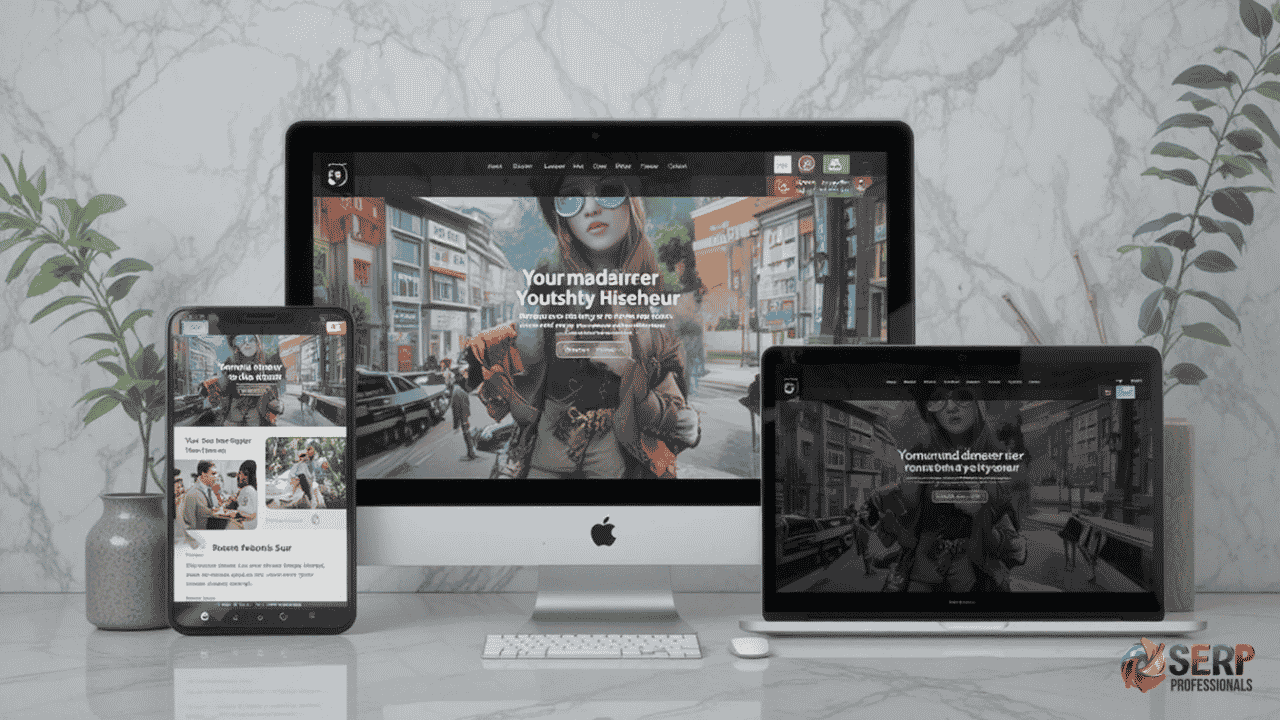
The advanced world is advancing quickly, and present day websites are anticipated to perform consistently over each gadget, screen measure, and stage.In 2026, clients no longer browse the web as it were on desktop computers. Smartphones, tablets, sharp TVs, foldable contraptions, and wearable development have changed how people are related with websites. As a result, engineers and originators are looking for more intelligent ways to make versatile and responsive advanced experiences.
One concept picking up consideration in advanced web improvement is Pxless. Outlined around adaptability, adaptability, and versatile formats, Speaks to a move absent from inflexible pixel-based plan frameworks toward more liquid and future-ready web experiences.
Traditional pixel-focused formats frequently battle to adjust over numerous screen sizes. Pxless presents a more adaptable plan reasoning that prioritizes responsiveness, openness, and gadget autonomy. As websites ended up progressively intelligently and performance-driven, developing as an imperative concept in the future of UI and UX development.
This article investigates what Pxless implies, how it works, its benefits, key highlights, down to earth applications, and why it may shape the future of responsive web plan.
What Is Pxless?
Pxless alludes to a cutting edge web plan approach that minimizes reliance on settled pixel estimations in favor of adaptable, liquid, and responsive plan frameworks. Instead of depending intensely on inactive pixel-based measuring, Emphasizes relative units, versatile formats, and adaptable components that naturally alter to diverse screen situations.
The term “Pxless” is closely connected to responsive web development principles where websites are designed to function consistently across:
- Mobile phones
- Tablets
- Desktop monitors
- Ultra-wide screens
- Foldable devices
- Smart TVs
- Wearable interfaces
Conventional web formats based absolutely on pixels frequently make plan confinements since screen measurements and resolutions shift altogether over gadgets. Pxless makes a difference unravel this challenge by empowering formats to scale actually.
Why Traditional Pixel-Based Design Is Becoming Outdated
For a long time, web creators depended intensely on pixel estimations to construct websites. Pixels advertised exact control over formats, dividing, and typography. Be that as it may, the web has changed dramatically.
Modern advanced situations presently incorporate thousands of screen sizes and resolutions. A plan optimized for one show may seem broken or cramped on another.
Pixel-based plan frameworks regularly confront issues such as:
- Poor mobile responsiveness
- Inconsistent scaling
- Accessibility limitations
- Layout breakage
- Device compatibility problems
- Maintenance complexity
As technology continues evolving, developers increasingly prefer fluid design systems that can adapt dynamically.
How Pxless Works
Pxless plan frameworks depend on responsive innovations and versatile units or maybe than inflexible pixel estimations.
Common techniques associated with include:
- Relative sizing units
- Flexible grids
- CSS variables
- Fluid typography
- Adaptive spacing systems
- Container-based layouts
- Dynamic scaling frameworks
Instead of characterizing each component with correct pixel values, architects make frameworks that naturally adjust based on screen estimate and seeing conditions.
Core Features of Pxless
Pxless stands out since it centers on adaptability, execution, and cutting edge convenience. Underneath are a few of the most vital highlights related to plan standards.
1. Responsive Layout Systems
One of the most imperative highlights of Pxless is responsive plan adaptability.
Responsive formats naturally alter based on:
- Screen width
- Device orientation
- Resolution
- Browser size
- User accessibility settings
This guarantees websites stay outwardly steady and utilitarian over diverse gadgets.
2. Fluid Typography
Conventional typography frequently employs settled pixel sizes that may show up as well little or as well expansive on diverse screens.
Promotes fluid typography systems using scalable units like:
- rem
- em
- vw
- vh
Liquid typography moves forward lucidness and client encounter whereas keeping up visual adjustment.
3. Flexible Grid Structures
Grid systems are essential for modern UI design. Pxless uses flexible grids that scale dynamically instead of fixed-width containers.
Benefits include:
- Better content alignment
- Easier scalability
- Improved mobile responsiveness
- Cleaner UI organization
Flexible grids also simplify future design updates.
4. Improved Accessibility
Openness has ended up a major need in web development.
Pxless moves forward openness by permitting formats and content sizes to alter more actually for clients with:
- Visual impairments
- Zoom preferences
- Different screen resolutions
- Assistive technologies
Versatile plan frameworks make more comprehensive client encounters.
5. Better Performance Optimization
Overwhelming pixel-based formats can some of the time make superfluous rendering complexity.
Pxless systems often improve performance through:
- Lightweight CSS structures
- Simplified scaling logic
- Efficient layout rendering
- Reduced media query dependence
Execution optimization is particularly imperative for versatile clients and slower web associations.
6. Device Independence
Modern users switch constantly between devices throughout the day.
Pxless helps ensure websites maintain consistency across:
- Smartphones
- Laptops
- Tablets
- Large displays
- Future smart devices
Device independence improves long-term scalability.
Benefits of Pxless Web Design
Pxless offers several major advantages for both developers and users.
1. Better Mobile Experience
Versatile activity overwhelms web utilization in 2026. Pxless guarantees websites work easily on littler screens without requiring isolated versatile adaptations.
Users benefit from:
- Easier navigation
- Faster loading
- Better readability
- Improved touch interaction
2. Easier Scalability
As websites grow, maintaining fixed pixel systems becomes difficult.
Pxless makes scaling easier because design components adjust dynamically instead of requiring manual redesigns.
3. Faster Development Workflows
Developers can create reusable design systems more efficiently using scalable layout principles.
This reduces:
- Repetitive styling
- Layout inconsistencies
- Maintenance complexity
Modern frameworks increasingly support Pxless-style development approaches.
4. Future-Proof Design
Innovation changes rapidly. Unused screen sizes and gadgets proceed showing up each year.
Pxless makes a difference as websites stay versatile for future advances without requiring major updates.
5. Improved SEO and User Experience
Look motors presently prioritize versatile ease of use and site performance.
Responsive and adaptable websites regularly perform superior in:
- Mobile search rankings
- User engagement metrics
- Bounce rate reduction
- Accessibility compliance
Better user experiences can positively impact SEO performance.
Technologies Commonly Used With Pxless
Several modern web technologies support Pxless development concepts.
CSS Grid and Flexbox
These format frameworks permit designers to make energetic and versatile page structures without depending intensely on settled measurements.
Relative CSS Units
Instead of pixels, Pxless often uses units such as:
- rem
- em
- %
- vw
- vh
These units scale more naturally across devices.
Modern Frontend Frameworks
Frameworks such as:
- React
- Vue
- Angular
- Svelte
often support scalable UI development strategies aligned with Pxless principles.
Design Systems
Component-based plan frameworks progress consistency and adaptability by standardizing dispersing, typography, and format structures.
Pxless and User Experience (UX)
User experience has become one of the most important factors in modern web success.
Pxless improves UX through:
- Faster adaptation across devices
- Better readability
- Smoother navigation
- Reduced layout shifting
- More intuitive interfaces
Clients anticipate frictionless browsing encounters notwithstanding gadget sort.
Challenges of Pxless Design
In spite of the fact that Pxless offers numerous benefits, it moreover presents a few challenges.
Learning Curve
Designers usually to settle pixel frameworks may require time to adjust to adaptable plan strategies.
Complex Testing Requirements
Responsive frameworks must be tried over different gadgets and resolutions to guarantee consistency.
Browser Compatibility
In spite of the fact that cutting edge browsers back responsive innovations well, more seasoned frameworks may sometimes make compatibility issues.
Design Consistency
Without appropriate arranging, exceedingly liquid formats may in some cases carry on erratically over bizarre screen measurements.
Strong design systems help reduce this risk.
Industries Benefiting From Pxless
Numerous businesses presently depend on adaptable and responsive web frameworks.
E-Commerce
Online stores require responsive formats for item browsing, versatile shopping, and checkout optimization.
SaaS Platforms
Cloud-based program administrations depend intensely on versatile interfacing that work reliably over gadgets.
Media and Entertainment
Spilling stages, news websites, and computerized media companies advantage from responsive substance conveyance.
Education
Online learning stages require open and versatile formats for worldwide groups of onlookers.
Healthcare
Restorative stages progressively prioritize openness and responsive convenience for patients and suppliers.
The Future of Pxless in Web Development
Pxless reflects broader trends shaping the future of web technology.
Future developments may include:
- AI-assisted responsive design
- Adaptive interfaces
- Voice-controlled navigation
- Smart accessibility systems
- Dynamic content scaling
- Cross-device synchronization
As computerized biological systems ended up more associated, versatile plan frameworks will become progressively basic.
The future internet will likely depend heavily on:
- Flexibility
- Accessibility
- Performance optimization
- Device independence
- Adaptive user experiences
Pxless aligns closely with all of these priorities.
Final Thoughts
Pxless speaks to an advanced approach to responsive and adaptable web plan that moves past the confinements of conventional pixel-based formats. In a computerized world filled with assorted screen sizes, gadgets, and client desires, adaptable plan frameworks are becoming more vital than ever.
By emphasizing liquid formats, versatile typography, versatile networks, and responsive execution, Pxless makes a difference designers make websites that stay useful, available, and outwardly steady over cutting edge computerized environments.
Its benefits amplify past aesthetics. Pxless moreover progresses ease of use, SEO execution, openness, versatility, and future versatility. In spite of the fact that challenges such as testing complexity and improvement learning bends still exist, the long-term focal points make adaptable plan frameworks progressively valuable.
As the web proceeds advancing in 2026 and past, May end up a characterizing concept in another era of web advancement, making a difference shape quicker, more brilliant, and more user-friendly computerized encounters for businesses and buyers around the world.